If you’re new to interval training it can often seem daunting and confusing at the same time!
First up a very quick and simple definition of interval training is as follows:
Interval training involves alternating periods of high-intensity effort with periods of low-intensity effort, which is called the recovery. For runners, this would typically involve interspersing bouts of fast running with slower running.
Interval training is used worldwide by a variety of runners and different sportsmen and women to help improve their fitness, speed, agility and endurance amongst many other things. Interval training makes up an important part of my week and I often perform it once to twice on a weekly basis. The beauty of interval training is you don’t have to be an elite runner to perform it, you can get huge benefits regardless of your level of fitness and speed providing it’s tailored specifically to you and your and goals.
You can run intervals on a track, up and down hills, around dirt trails, grass or anywhere else you enjoy running! I’d always recommend finding somewhere that is good under foot to enable you to run faster and not have to worry about your footing, especially if you’re training in the dark!

Each interval session is broken up into 3 main parts:
- Warm-Up
- Session or for our American friends ‘workout’
- Cool Down
Warm-Up
Easy running to get your legs and lungs ready for the efforts ahead. While much of a warm-up should be easier running, warm-ups should also include a series of harder efforts to get your breathing and legs ready for the session ahead. I would suggest running easy for 10-20-minutes or for a mile – 2-miles followed by drills and any mobility exercises you need to perform followed by 3-4-strides at 75-80% of your maximum speed with an easy walk or jog back recovery.
Session
This is the “meat” of the workout. The main effort description will include:
- Interval – This describes each segment that makes up an interval. Sometimes there is a single segment for the interval, sometimes there are multiple segments for an interval.
- Interval Repeats – The number of times you repeat an interval to complete the session or set.
- Number of Sets – The number of times you go through a full “set” of intervals if applicable. Not all workouts contain multiple sets, and there will always be recovery between sets.
- Rest Between Intervals and Sets – This describes the recovery that should be done between completed intervals. If a session has only a single set, such as 8x1km then the rest will be the same throughout the entire session, for example 90-seconds.

Here is what a description for an interval session might look like:
- 5×1-mile with 2mins recovery
- 2(1×1-mile, 4x400m) with 2mins rest after the mile and 60sec recovery between the 400m intervals with 3mins recovery between sets.
This shows to simple examples of interval sessions. For session number 1 (5×1-mile) the intervals are the mile reps. The 2mins recovery is the rest between the intervals used for easy running or walking.
Session number 2 is slightly more complex in that you run two sets of 1-mile followed by 4x400m. This is used to combine a mixture of tempo-based work and shorter faster repeats. The rest would be 2-minutes after the 1-mile effort, followed by running 4x400m with 60-seconds between each effort, then 3-minutes recovery after the final 400m. Once you’ve taken your 3-minutes recovery you repeat the session again, starting with the 1-mile effort.
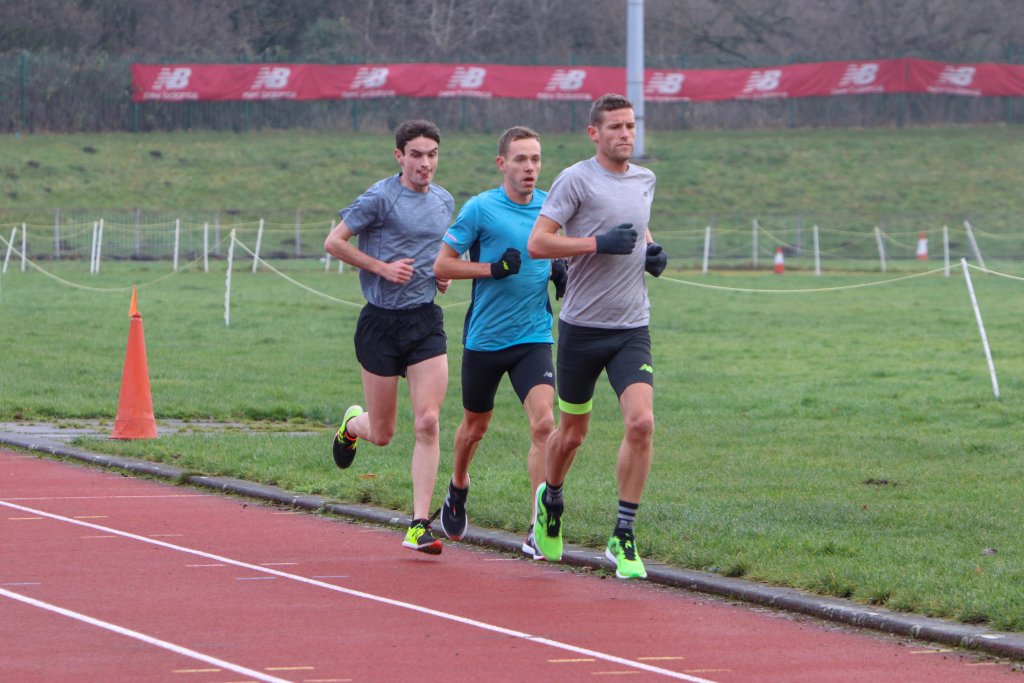
Warm Down
This describes the easy running that should be done after all the interval session is complete. A proper warm down, often called a cool down is a must, especially for some of the harder sessions. Do not neglect this part of the run as it will help relieve stiffness the following day and is the first step in maximising your recovery by helping to promote blood flow around the body. Often a warm down will involve a similar duration to the warm up, approximately 10-20-minutes easy jogging. If you have time it’s always recommended to follow the warm down with some light stretching before refuelling and re-hydrating.