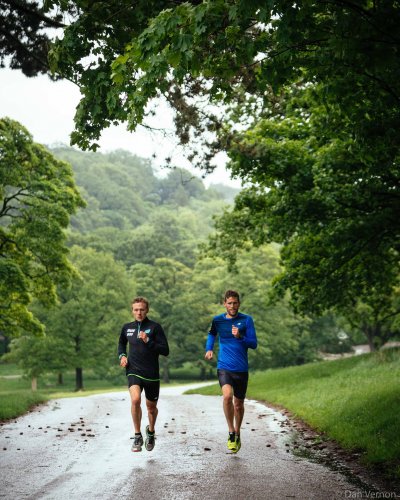
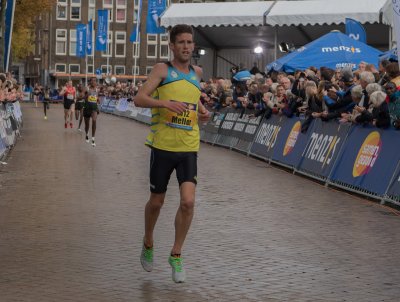
Entering the world of running can often seem like a daunting prospect, carb loading, chip timing, fartleks, tempo runs and VLM’s to name just a few. Check out our helpful A-Z guide of common running terms, acronyms and abbreviations so you can wow your training partners on your next run!
Arm sleeves/warmers
Arm sleeves (or arm warmers) are popular with runners to keep their arms warm when the weather is a bit chilly without over-heating in a long sleeved top!
Buggy Running
Buggy running has become a popular way for new parents to run with their baby. Specialist running buggies have been designed to keep your baby safe and to make running comfortable for you.
Carb loading
Carb loading is what runners traditionally do before races such as half marathons and marathons. It’s often seen as a good excuse to eat all the pasta but do we actually need to do it? Carbohydrates (carbs) are a great source of energy that the body converts to glucose. Surplus glucose gets converted to glycogen and is stored in the muscles and liver to be used when needed.
During long runs you will use up any glucose first and will then start dipping in to your glycogen stores. The theory of carb loading is that you are making sure these stores are full. However, most experts now agree that you only need to increase your carb intake slightly before a big race. Try eating a portion of carbs with each meal for a couple of days before. A normal portion of carbs the night before a race is better than a huge serving of pasta or pizza – you don’t want stomach issues or indigestion to keep you awake!
Chip Time
If you take part in a race that has chip timing your chip will record the time it takes YOU to complete the race (normally the time between running over timing mats at the start and finish). This differs from the Gun time which records the time from the moment the race starts until you cross the finish. Chips are sometimes attached to your race number, or a tag attached to your laces, or occasionally a tag that goes round your ankle.
CiRF
Coach in Running Fitness course run by UK Athletics (UKA). Normally completed after the Leader in Running Fitness course. Successful completion of the course means you receive your UKA coaching license. UKA coaches can write training plans and help you with your own personal training needs.
Compression Socks
Compression socks can help with running and recovery as they improve venous return and aid in the removal of lactic acid. Often a post-run tradition, runners don a pair of compression socks or very snug, knee-high tube socks, to speed recovery.
CR
You didn’t quite get that PB but you might have got a CR? CR is a course record. This is the best time you have run a particular course or race in. It might not be a personal best overall but it may be your course record for that route.
Cross Training
Cross training is exercise you do around your running to help you get fitter and stronger or maintain fitness during periods of injury. Good forms of cross training that compliment running are cycling, swimming and pool running (aqua jogging).
C25K
Couch to 5K is a brilliant, structured programme that allows non-runners to start to run. It uses a walk/run method and builds up week on week until eventually participants can run 5K (3.1 miles). I have my own Zero to Hero 5k Parkrun version on this site you might want to check out! Many running clubs, Councils and work places have started running group C25K sessions.
DNF
DNF stands for did not finish. If you start a race but do not finish it you will be recorded in the results as DNF. This may be because you retire injured or sick or are timed out.
DNS
DNS stands for did not start. This is when you enter a race but then do not take part and do not transfer your place to another runner. You will be recorded in the results as DNS.
DOMS
Delayed Onset Muscle Soreness. These are the aches and pains you get 24-36 hours after exercise. While you may feel like you have been run over by a bus, they are generally nothing to worry about and will pass in a few day.
Dreadmill
Treadmills get this pet name since they’re an often loathed piece of gym equipment for runners forced indoors due to weather or time constraints. There’s at least one perk though: Studies show it’s actually easier to go faster on a treadmill than out on the road! Remember to set yourself an incline of at least 1% to simulate running outdoors.
Easy Run
These light runs are best done at a conversational pace. Meaning if you can’t run and recap last night’s episode of Coronation Street at the same time, you’re going too fast!
Epsom Salts
Epsom Salts are the warmer alternative to the ice-bath. It is in fact magnesium sulfate and has been used traditionally to ease achey muscles. If the thought of an ice-bath leaves you cold (excuse the pun) then adding a cup full of these salts to a warm bath after a long run might be a better alternative for you.
Fartlek
Fartlek is actually Swedish for “speed play”. Fartlek is an informal and playful type of speed work that can be used by runners of all levels. Rather than reps of a specific distance, you increase your pace during a run between objects you can see. For example between lamp posts or “from here to that tree”. This is fun activity when running with friends as you can take it in turns to shout the landmark to increase your pace to. It is good to vary the distances between objects and all the running in between should be at an easy pace to allow recovery.
Garmin
Many runners rely on this brand or other GPS enabled sports watches (often way too much) to track distance, pace, heart rate, and more.
GNR
GNR is a common abbreviation for the Great North Run – the largest and most iconic half marathon in the UK that starts in Newcastle and finishes in South Shields. Read some of our RMR’s experiences of GNR here.
GFA
Often used in the baffling sentence, “I’ve got a GFA for VLM”. GFA is a Good for Age time. London marathon offers a small number of places for runners who achieve a specific time, in a qualifying marathon, that is good for their age. Details of these times can be found on the VLM website.
Gun Time
While a chip time will give you the time it took YOU to complete a race, the gun time records the time that has elapsed from the official start of the race until you cross the finish. These two types of timing can be quite different in big races where it may take you several minutes to cross the start line after the race officially starts.
Half Marathon (Half, HM)
Half marathons are, as the name suggests, a race that is exactly half the distance of a marathon. 13.1 miles or 21K.
Hitting the Wall
(See carb loading) During a long run once you have used up available glucose and then your glycogen stores, if you do not replace carbs using sweets or gels for example, you may “hit the wall”. Hitting the wall is an unpleasant feeling where you run out of energy. You will feel exhausted, your legs will feel heavy and you will have a feeling of brain fog. Getting your race nutrition strategy sorted before you run is very important.
Ice Bath
In theory getting into an icy cold bath can help you recover from a long or strenuous run. Exposing the body to cold helps to constrict blood vessels, remove waste products, and reduce swelling. Some runners like to get into the ice bath in their full kit. Others strip off but keep a woolly hat on and have a cup of tea to make the experience more bearable. It is worth noting that the jury is out on the benefit of ice baths for non-elite athletes although many runners swear by them.
Ironman
The ‘Ironman’ consists of a 2.4-mile (3.86 km) swim, a 112-mile (180.25 km) bicycle ride and a marathon 26.22-mile (42.20 km) run, raced in that order and without a break! It is widely considered one of the most difficult one-day sporting events in the world.
ITB
Illiotibial Band – You probably don’t know what or where this is in your body unless you’ve had a problem with it. It is actually a band of fascia that is attached at one end to your hip muscles and near to the outside of your knee at the other. It is a common cause of knee pain in runners. There are lots of tips out there for treating ITB issues but the best plan is always to consult your GP or Physio as they will be able to identify the exact cause and give you the best advice for rehabilitation.
LiRF
Leadership in Running Fitness. This is a qualification from UK Athletics allowing you to lead a group of runners on a run. Running clubs will generally have a number of these enthusiastic individuals. If you like helping others with their running the LiRF qualification is great.
LSR
Long slow run. Most running training plans will contain one of these runs. The length of your LSR will depend on the distance you are training for. The distance covered in an LSR should gradually increase over the course of your training plan. You should be able to talk in full sentences to your running buddies during an LSR, so if you can’t you are running at too quick a pace.
Marathon
A long distance race measuring 26.2 miles or 42kms. Most people will train for a marathon for between 12-16 weeks prior to the event. Marathon training is a huge commitment, and the distance should be respected, but if you train properly finishing a marathon is one of the most amazing achievements.
Negative Splits
This is a race strategy where you complete the second half of the race in a faster time than the first. So for example in a 10k race you would run the second 5k in a quicker time than the first 5k.
Newbie
A newbie, or beginner, often learns the basics of the sport by training for a short race, like a 5K. The Zero to Hero plan is a great place to start!
Pace
When runners talk about running “an 8-minute pace,” they are referring to the amount of time it takes to clock one mile. They also tend to express pace based on the type of run: “long run pace,” “marathon pace,” “5K pace,” etc.
Parkrun
Parkrun takes place across the UK (& the World) in a park at 9am on a Saturday morning. It is a free, weekly, timed, 5k run that anyone can take part in. Participants are encouraged to run, jog or walk the course all you need to do is register on the Parkrun website and get a barcode which gets scanned each time you finish.
PB
Personal Best. This is the fastest time you have run a specific distance in. Always well celebrated by runners regardless of how fast you are! Getting a new PB is something to be very proud of. That said though PBs are not the be all and end all. It is great to just get out there and run for the sake or running. Don’t ever beat yourself up if you don’t improve on your fastest time in a race. If you PB’d in every race you’d eventually be a world record holder!
Rest Day
A rest day allows a runner’s body to recover and repair muscles through the process of adaptation. Recovery is just as important as hard efforts. Consistent smart training will get the best results. Listen to your body and know when to push and when to rest.
RICE
Rest. Ice. Compression. Elevation. These are the things we should do when we are first injured. It is important to stop training and put ice on the area if there is swelling. A bag of frozen peas wrapped in a tea towel is good for icing. Don’t put the frozen item directly on your skin as you may burn. 15 minutes, a couple of times a day should help. A compression bandage or compression socks can be helpful. If after a day or two there is no improvement it is important to seek proper diagnosis and treatment from a GP or Physiotherapist/Sports Therapist.
Run Streak
A run streak is where someone chooses to run every day for a period of time (this can vary) for a minimum distance (this can also vary).
Runner’s High
Most runners experience a state of euphoria and pure bliss known as “the runners high” either during or after a run. It might just be the reason runners run and maybe why we’re so crazy, too.
Splits
Not just something you can do if you’re flexible! Splits in this context are the times you took to run a certain intervals of distance during a run. These might be broken down into each mile or each kilometre depending on how you measure your runs.
Stretching
Static Stretching: Everyone ready to count? Static stretching is the process of holding major muscle groups in their most lengthened positions for at least 30 seconds. Research now suggests stretching is more beneficial after exercise.
Dynamic Stretching: Unlike staitic stretching, runners should warm up with dynamic exercises or controlled movements that increase flexibility, power, and range of motion. The best dynamic stretches for runners include lunges, squats, leg lifts, and butt-kicks as well as some of the drills on this site.
Strides
These are simply the forward steps taken while running. Some “real runners” also use strides (or Tinchy Striders as I call them!) to refer to a series of short sprints, usually between 50 and 200 meters.
Taper
Towards the end of most training plans for half marathons, marathons and ultra marathons there is a period called taper. After you have run the longest distance in your plan, the training will start to ease off and taper will normally only involve a few short, easy runs. Taper is built in to training plans to allow you to race on fresh legs. It is normally the time when “maranoia” sets in and runners start to panic.
Tempo Runs
You will often see Tempo Runs pop up in your training plan. A Tempo Run is also sometimes known as a Threshold Run or a Lactic-Threshold Run. You should be running at a comfortably hard pace. You shouldn’t be able to speak in sentences but you should be able to say the odd word or two. These runs are hard but you will reap the benefits.
Trail Running
Trail running is basically off-road running. A trail run will normally (mostly) follow trails or tracks in a scenic or rural setting but there are urban trail runs too. You can buy special trainers for trail running that give you more grip on uneven surfaces and in mud.
Triathlon
Triathlon is an activity that combines swimming, cycling, and running in one event. The Olympic, or “standard” distance in triathlon is a 1500 metre swim, 40 kilometre bike, and 10 kilometre run.
Ultra
An Ultra is an Ultra Marathon – a race that is longer than a marathon in distance (so more than 26.2 miles). There are a variety of Ultra distances from 30 miles up to 100 miles or more. Some are run in a single day. Some are run over a number of days and are called multi-day events.
Vlm
Virgin London Marathon (Sometimes also VMLM -Virgin Money London Marathon) often gets abbreviated to VLM and for many is the highlight of the racing calendar.
Warm-Up
To increase heart rate and blood flow to the muscles and reduce the risk of injury. You should all start each run with a good warm up. Getting loose for an everyday run can include five to 10 minutes of walking or jogging or some dynamic stretching.