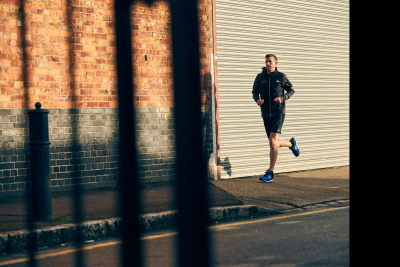
Running shoes are essential for anyone looking to run regularly and can help protect your body from injury by absorbing the impact on both your feet and body and while also helping to provide traction and grip on the ground. Running is a relatively cheap activity, and the only real investment that you need to make is by purchasing suitable footwear.
The key to picking appropriate running trainers is getting the balance correct between performance, comfort and protection against injury. Generally support and comfort should be priority and the over overriding factor when buying a new pair of multi-purpose running shoes.
The range and selection of running trainers on the market is constantly changing and evolving and can often seem daunting so this guide is designed to help you pick out the best possible running shoes specific to your needs and requirements.
Fit For Purpose
Consider where you’re actually going to be running and buy shoes that are suitable for the terrain. If most of your training is off-road then shoes with a more aggressive or deeply studded outsole will be more suitable for off-road running. Similarly, a pair of trail shoes will be very uncomfortable on tarmac, as the studs will press into the soles of your feet.
Wear Running Socks
You should always wear the socks you attend to run in when you go for a new shoe fitting. The thickness of your sock can make a big difference to the fit and feel of your shoe, particularly during hot weather.
Gait Analysis
Many specialist-running shops now offer a free gait analysis service to help you pick the right pair of shoes dependent on your running style and foot type. A gait analysis involves performing a short run on a treadmill while being recorded, which is then replayed in slow motion to accurately assess your foot plant, stride and running pattern. In addition to gait analysis some running stores may even offer you the chance to test the shoes in store on a treadmill before purchasing.
Don’t Worry About Fashion
It’s always important to remember that running shoes are a functional piece of equipment designed to protect your feet and legs from injury. Try to avoid picking out a shoe for it’s colour or aggressive marketing campaign and make your purchase on comfort, fit and suitability. By choosing functional running shoes you’ll get plenty of fun and rewarding miles out of your new shoes.
Don’t Extend Your Shoes Life
Your running shoes will take a great deal of pounding across a wide range of surfaces and in all weathers, so they will need to be replaced typically every 500 miles or so. How often you need to buy new shoes will depend on your weight, running style and choice of terrain, but you should always avoid trying to squeeze a few extra weeks out of shoes that are evidently worn out, because the shoes won’t afford the protection you need and will increase the chances of you getting injured.
Different Types of Shoes
Running shoes can be divided into five basic categories;
Stability
Recommended for runners who are mild to moderate over pronators and who generally have low to normal arches. These runners tend to need a shoe with a combination of good support and midsole cushioning.
Neutral
Recommended for runners who need maximum midsole cushioning and minimum medial support. These shoes are best for biomechanically efficient runners (with minimum pronation) and mid-foot or forefoot strikers with high or normal arches.
Performance
Recommended either for racing or, if you’re biomechanically efficient, for training. Can often be used for interval work during training. They have varying degrees of support and cushioning, but they’re generally lighter and narrower than other running shoes.
Minimalist
Recommended for biomechanically efficient runners who want maximum responsiveness and a stripped-down shoe while retaining an element of cushioning. These are seen as the mid point between neutral cushioned and performance shoes
Off Road
Off-road, shoes offer a more aggressive outsole for increased traction, with reinforced and more durable uppers. The foot often sits slightly lower to the ground than usual, for stability and responsiveness and the shoes often have less cushioning than a road shoe, because they’re designed for softer surfaces.